
Australians Lost Over $2 Billion to Scams — Here’s How to Stay Safe

Scams are not slowing down — in fact, they’re costing Australians more than ever.
New figures released by the Australian Competition and Consumer Commission show that Australians lost $2.18 billion to scams in 2025.
Those are not just numbers on a page — they represent thousands of everyday Australians losing savings, confidence, and peace of mind. And sadly, older Australians continue to be among the hardest hit.
What Types of Scams Are Causing the Most Damage?
The latest data highlights five major scam types responsible for most losses:
Investment scams – $837.7 million
Payment redirection scams – $166.8 million
Romance scams – $139.9 million
Phishing scams – $97.6 million
Remote access scams – $69.9 million
Together, these account for around 60% of all scam losses.
👉 The biggest danger? These scams are becoming more convincing, more targeted, and more personalised.
Why Seniors Are Often Targeted
Scammers deliberately target older Australians because they:
Are more likely to have savings or assets
May be less familiar with new technology
Often trust phone calls, emails, or authority figures
Value politeness — making it harder to hang up or say no
Importantly, anyone can be scammed — it’s not about intelligence, it’s about timing and deception.
Scam Safety - Common Warning Signs of a Scam
If something feels off, trust your instincts. Look out for:
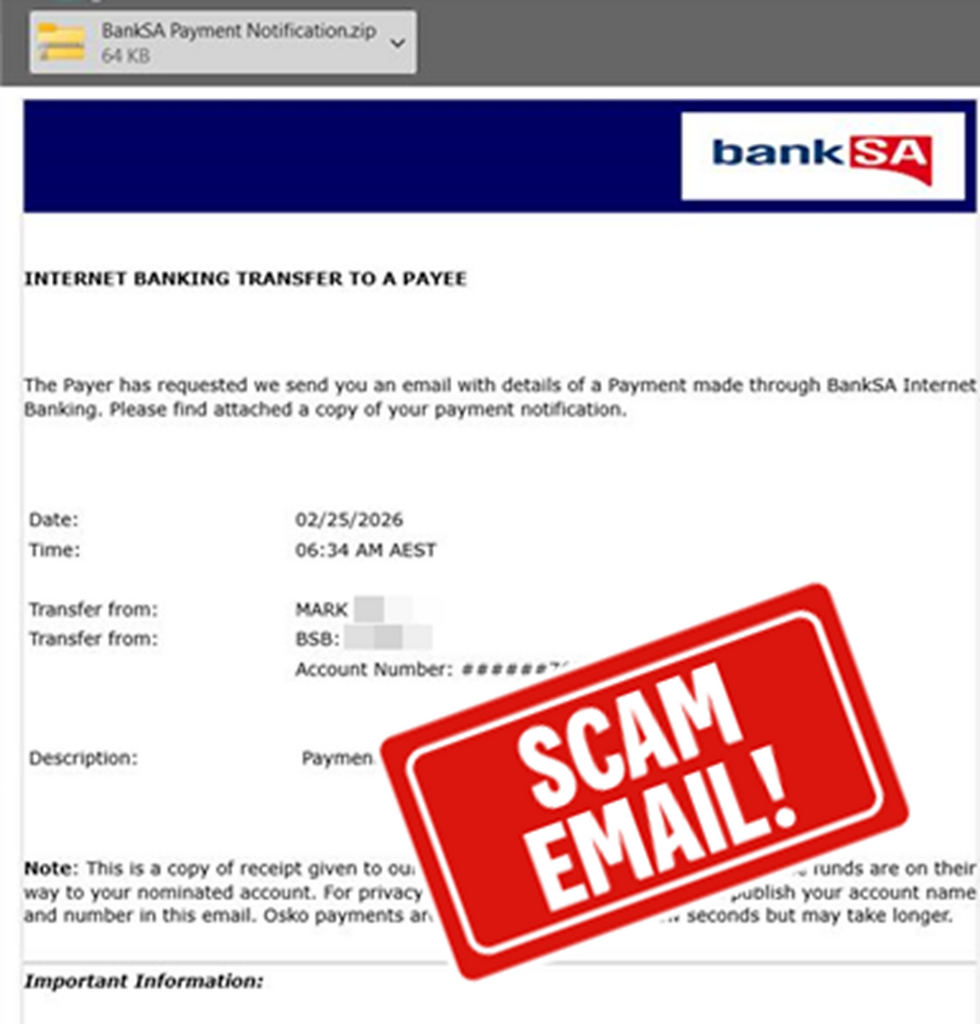
Urgent requests for money or personal details
Messages pretending to be from banks, government, or family
Unexpected investment opportunities promising high returns
Requests to install software or give remote access
Payment requests via unusual methods (gift cards, crypto, transfers)
👉 A good rule: If you didn’t start the conversation, be cautious.
What To Do If You Think You’ve Been Scammed
Acting quickly is a pivotal action for scam safety — the faster you respond, the
better your chances of limiting damage.
1. Contact Your Bank Immediately
Ask them to stop or reverse transactions
Request account monitoring or temporary freeze
2. Report the Scam
Visit Scamwatch
Report cybercrime at ReportCyber (Australian Government)
3. Secure Your Accounts
Change passwords (especially banking and email)
Enable two-factor authentication
Run antivirus scans on your devices
4. Seek Support
Talk to a trusted family member
Contact IDCARE (Australia’s identity support service)
5. Don’t Feel Embarrassed
Scammers rely on silence. Reporting helps protect others.
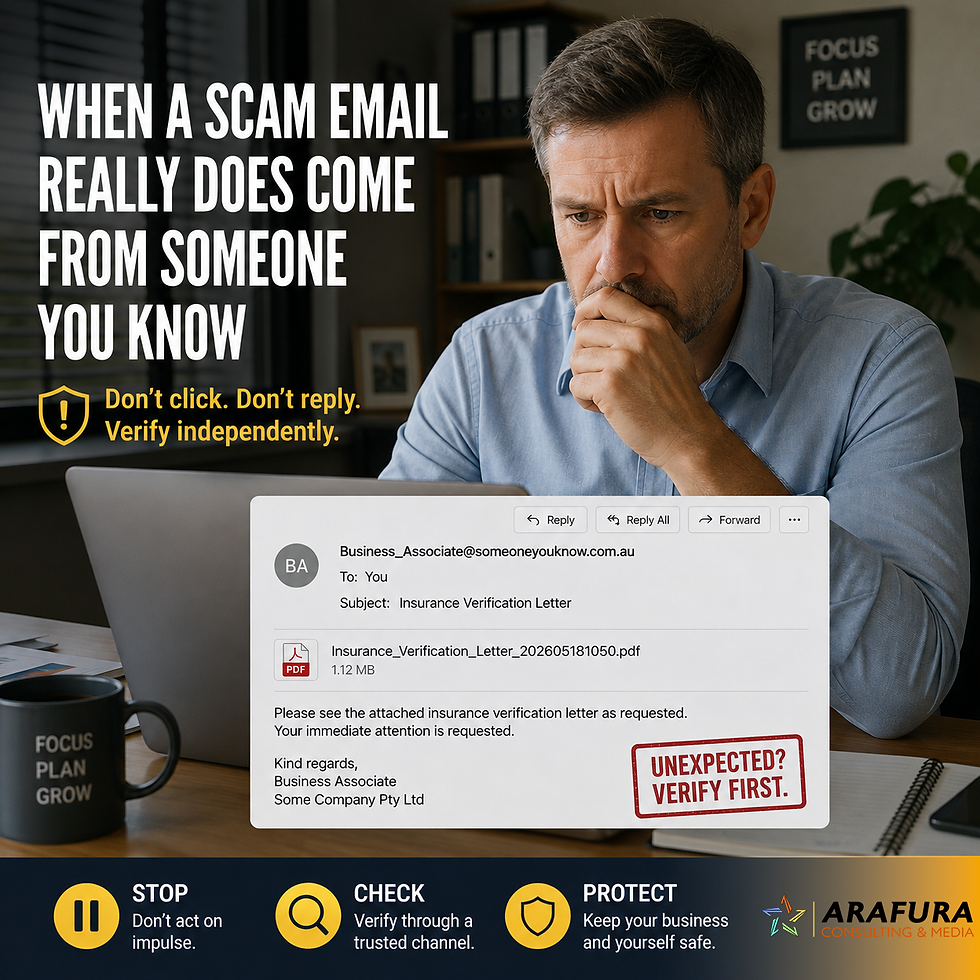
Simple Steps to Stay Safe (The “Stop, Check, Protect” Rule)
Authorities recommend three simple actions:
STOP – Don’t rush into action
CHECK – Verify who you’re dealing with
PROTECT – Keep your personal details secure
A Final Word
Scams are a growing problem across Australia, and they’re becoming more sophisticated every year.
But the good news is this: A little awareness goes a long way.
If something doesn’t feel right — pause, check, and ask someone you trust.
Because staying safe online isn’t about being perfect…it’s about being prepared.
Quick Check (Save This)
✔ Don’t click links in unexpected messages
✔ Never share passwords or codes
✔ Call organisations using official numbers
✔ Be wary of “too good to be true” offers
✔ Talk to someone before sending money
National Seniors Australia also has some great resources to help you stay safe online.



Comments