
4 Simple Ways To Spot a Cyber Scam

Every year, around Christmas, retailers offer genuine bargains, and unfortunately, there is also a surge in cyber scams.
Scammers know people are rushed, distracted, and eager to grab a deal. They take advantage of this moment with fake websites, dodgy emails, and convincing messages designed to separate you from your money or personal details.

At Arafura Consulting & Media, we see the same scam patterns repeat every year.
The good news? Most of them are easy to spot once you know what to look for.
Here are four practical ways Australians can identify cyber scams during major online sales — before it’s too late.
Deals That Are Too Good to Be True Usually Are
Scammers rely on urgency and excitement. If an offer seems wildly better than every other retailer, that’s your first red flag.
Common warning signs include:
Discounts of 70–90% on popular or hard-to-find items
Prices well below major Australian retailers
Claims like “Today only”, “Final hours”, or “Almost sold out”
Smart move:
Before buying, search the product on a trusted Australian retailer’s website. If the price difference is extreme, walk away.
Fake Websites That Look Legit at First Glance
Scam websites are getting more polished and convincing. Many look professional and use logos copied from real brands.
Watch for:
Web addresses with extra words or misspellings
e.g. kmart-deals-au.com instead of kmart.com.au
Recently created websites with no history
Poor spelling, broken links, or generic contact pages
No Australian business address or ABN
Smart move:
Click on the address bar and read the full web address carefully. If it doesn’t match the official retailer exactly, don’t proceed.
Unexpected Emails, Texts, and Social Media Ads
During sale periods, scam messages increase dramatically. They often pretend to be:
Australia Post
Major retailers (JB Hi-Fi, Amazon, Myer, Woolworths)
Payment providers like PayPal or Afterpay
Red flags include:
Messages urging you to “confirm payment” or “verify your account”
Links that shorten the URL or hide the real destination
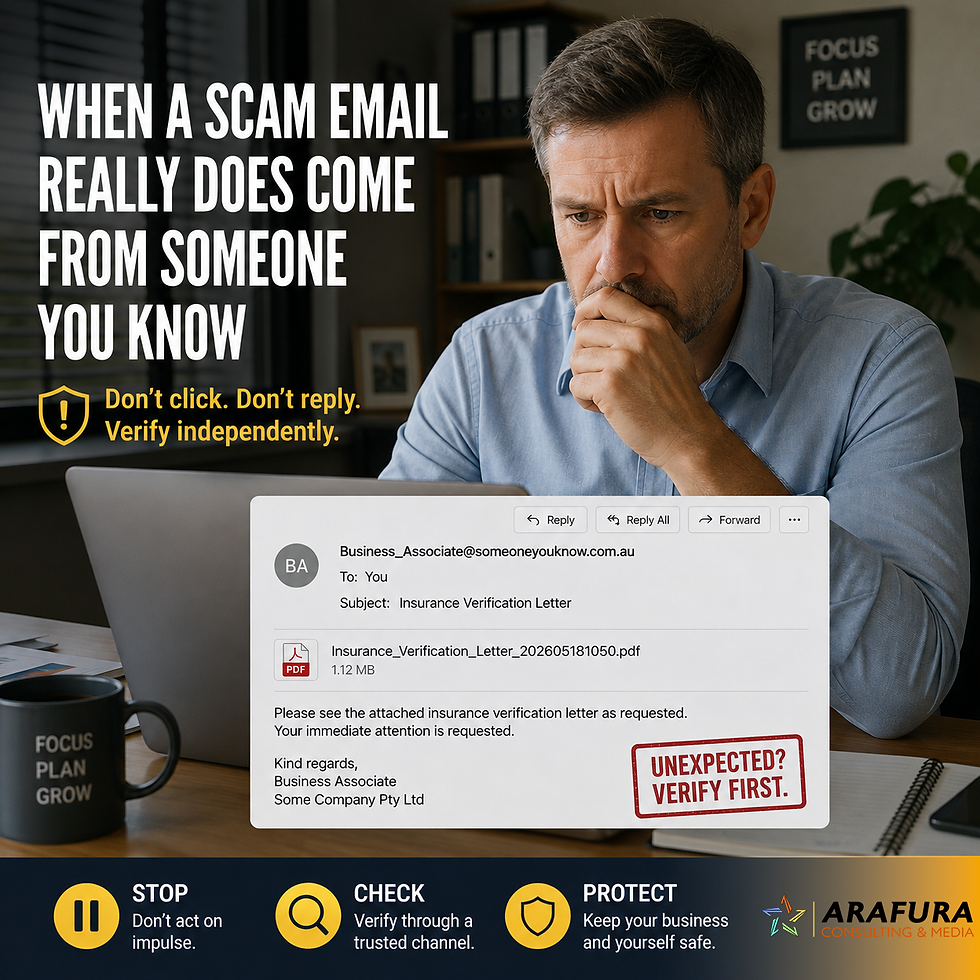
Messages arriving out of the blue — even if they look official
Smart move:
Never click links in unexpected messages. Go directly to the retailer’s official website or app instead.
Unsafe Payment Methods and Checkout Tricks

Scammers want payment methods that are hard to trace or reverse.
Be cautious if a website:
Only accepts gift cards, cryptocurrency, or bank transfers
Pushes you away from secure payment options
Doesn’t show HTTPS or a padlock in the address bar
Smart move:
Use credit cards or well-known Australian payment services that offer fraud protection. If something goes wrong, you have options.
What To Do If You’ve Been Caught By A Cyber Scam
If you think you’ve fallen for a scam:
Contact your bank immediately
Change passwords on affected accounts
Enable multi-factor authentication
Report the incident at ReportCyber (Australian Cyber Security Centre)
Fast action can significantly reduce damage.
Stay Calm. Stay In Control. Stay Cyber Safe.
Scammers rely on pressure and panic. Taking a moment to pause, check, and verify can save you thousands of dollars and a lot of stress.
At Arafura Consulting & Media, we believe cybersecurity should be clear, practical, and accessible — especially during high-risk periods like major sales.
If this article helps even one person avoid a scam, it’s worth sharing.
Quick Safety Checklist (Save This)
✔ Check the website address carefully
✔ Compare prices with trusted Australian retailers
✔ Don’t click links in unexpected messages
✔ Use secure payment methods
✔ Trust your instincts — pause before you pay


Comments