
Phishing and Identity Theft — Don’t Take the Bait

What Really is Phishing
Phishing is one of the oldest tricks in the book — and it still works because it looks so real. A scammer pretends to be someone you trust: your bank, a delivery service, even a government office. They send an email or text that looks official and urgent. “Click here to confirm your details,” it might say.
But behind that message is someone fishing for your information — your login, your card number, or your identity. Once they’ve got it, they can do serious damage in minutes.
How Phishing and Identity Theft Catch People Off Guard
Phishing works because we’re busy. We get a message while cooking dinner or scrolling on the phone at night, or otherwise distracted, and we don’t stop to look closely before clicking something we shouldn't. The scammer creates a sense of urgency in the message to create panic. Before you know it, you’ve clicked a fake link that leads to a page designed to steal your information.
How to Stay Safe

When something looks urgent, slow down. That’s your first line of defence. Real companies rarely ask for personal details over email or text and my advice is to get into the habit of never giving such information via a text or email message. If the message is legitimate, the legitimate company will contact you another way.
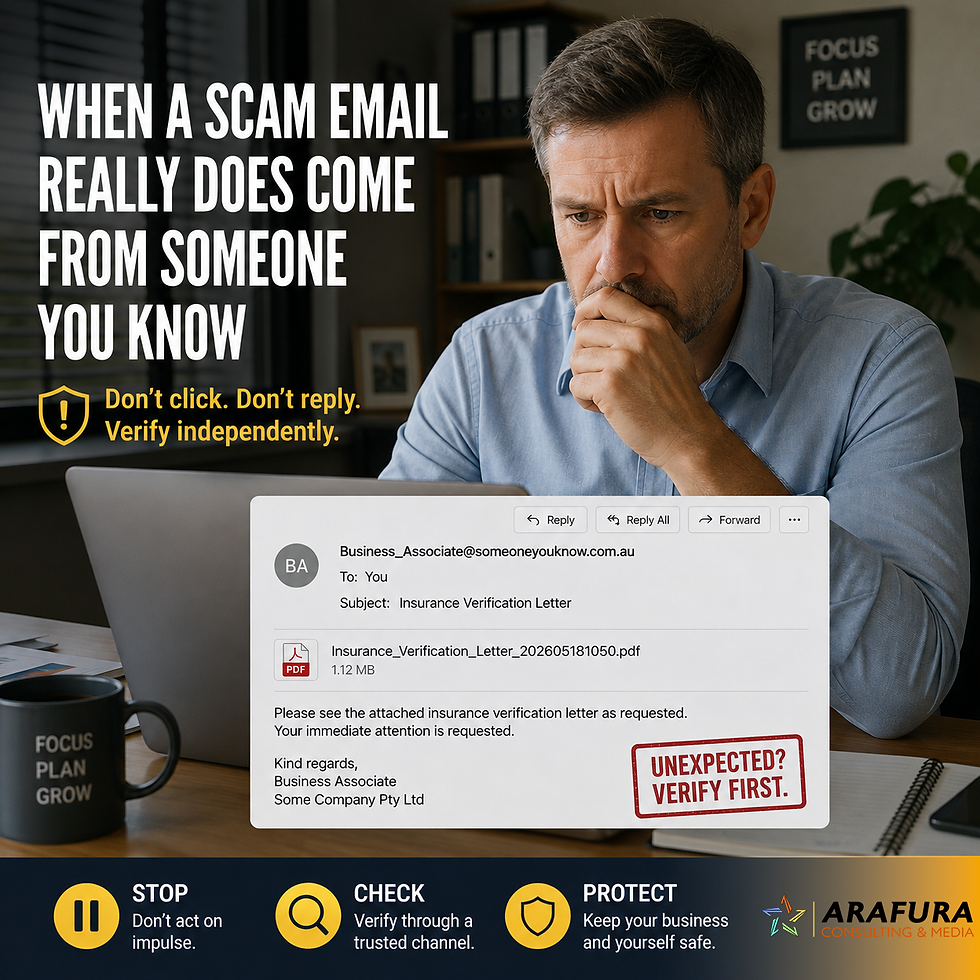
Phishing and identity theft frequently begins with a text message or email. Always check the message to be sure you know who it’s really from. One easy test is to hover your mouse pointer over the sender’s email address and check in the toolbar (usually at the bottom of the screen) to see if the addresses are the same. If they're different, then it is almost always a scam, and you should delete it.
If something feels off or just doesn't seem right, go straight to the company’s real website by opening your browser and typing it in yourself before logging in. And if you haven’t already done so, make sure you turn on two-factor authentication for your accounts. It’s a small extra step that stops most hackers in their tracks.
If You’ve Been Hooked
If you think you’ve clicked something you shouldn’t have, don’t panic. The most important thing to do is act fast and contact your bank or service provider immediately. Usually, they will guide you through several steps to secure your account, but if they don't, there's still no need to panic. Simply take it upon yourself to change your passwords as soon as possible.
Next, make sure you report what’s happened to Scamwatch or ReportCyber. This is really important because it helps to save others from falling victim to the same scam. You won’t be the first to fall for it — but your report could mean you're the last to fall for it.
Finally, don't let pride or ego get in the way. These scams are prevalent because they are effective. Many people get caught every day, and you'd be surprised to learn how many experienced internet users also get caught.
Stay vigilant. Look out for others. Stay safe.
Quick Check: How to Outsmart a Phish
✅ Do:
Pause and read before you click.
Go directly to the official website.
Use two-factor authentication.
Report suspicious messages.
🚫 Don’t:
Trust urgent requests for personal info.
Click on strange links.
Assume every message is real.


Comments